Applications


Machine Monitoring Systems for turning center

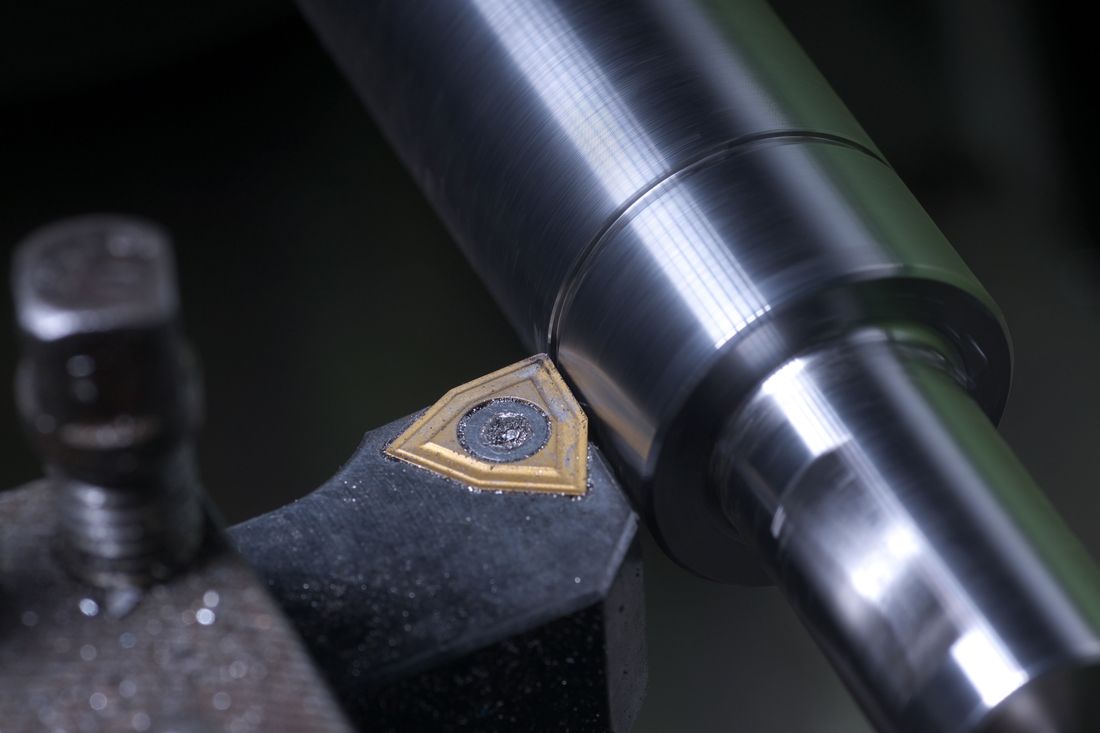
The turning centre sector, like the rest of the machine tool sector, is in continual technological evolution. The demand for large numbers of increasingly precise and repetitive parts drives the sector towards ever more advanced technologies. This, together with the need to save time, means that the manufacturer needs to implement machining systems capable of rendering the process as reliable as possible, even when not monitored by an operator.

Conditions:

Tool wear and abnormal vibrations can cause surface finish problems. It is important to monitor the state of the tool and/or the main turning spindle. Moreover, it is both important and beneficial to check the driven tool spindle and the milling/boring/tapping tool mounted in it.

Solution:

Since 2004 Marposs is offering several solutions  for Tool and Machine Monitoring. Since  2008 trough the acquisition of a market leader of this sector like Artis, Marposs can surely offer the most complete product range in this field of action.

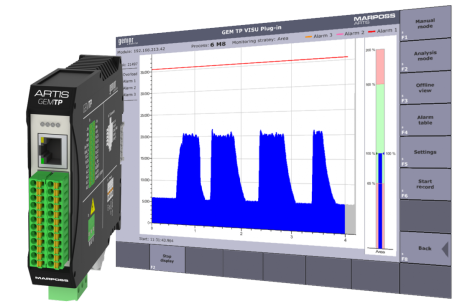
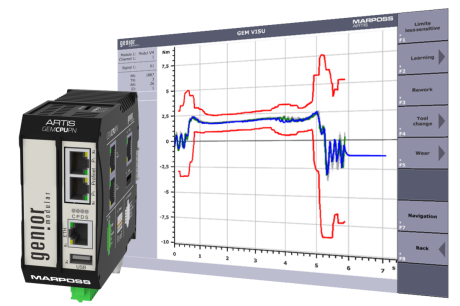
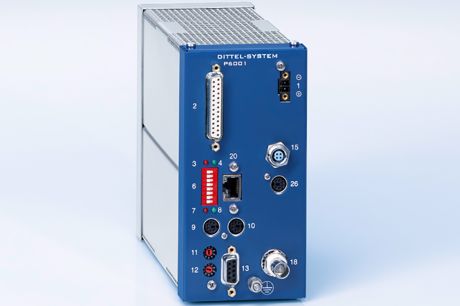
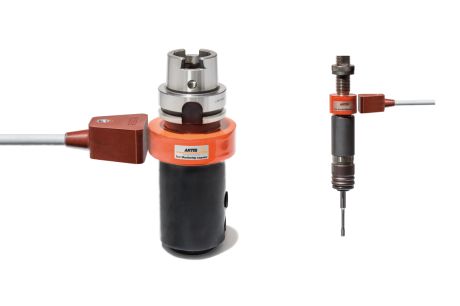
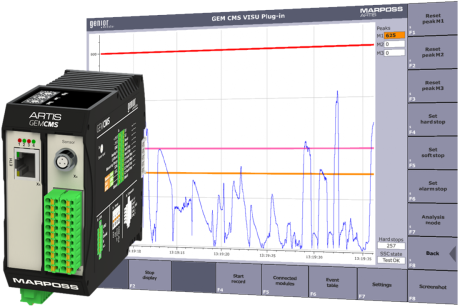
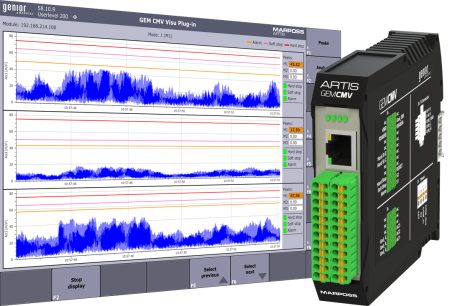
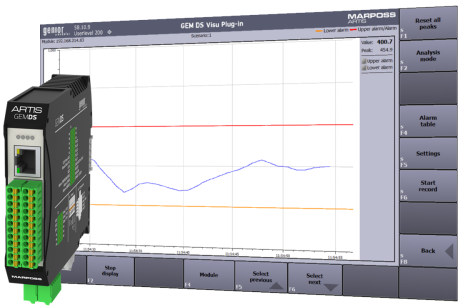
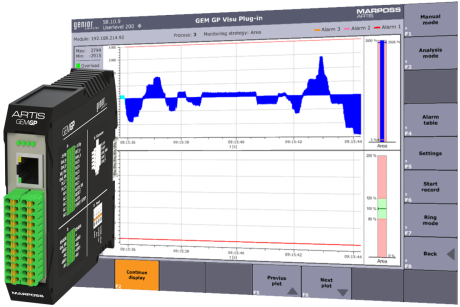
Marposs MMS line offers a wide range of systems and sensors. In order to monitor the vibration level and possible collision events, the machine can be fitted with various accelerometers which, thanks to their diminutive size can easily be mounted on, or even in the spindle. Other sensors are ideal for measuring the stress applied to the machine and/or tool during the machining process. Dedicated sensors are capable of providing an indication of the tool condition either indirectly by measuring the current drawn by the motors, or directly, by measuring the actual cutting force. Moreover, a pure software solution for tool monitoring is available for machine tools based on a SIEMENS 840D NC as well as a Windows based industrial PC with preinstalled operating software is provided for those applications for which is requested a separate visualization, apart from the machine human interface.

Benefits:

  • Vibration level control during machining process
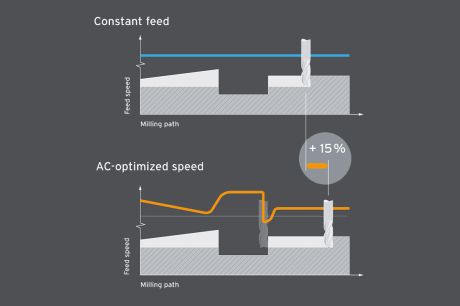
  • Reduced machining times and real-time tool condition monitoring
  • Maximised tool exploitation
  • Improved product quality
  • Reduced rejects
  • Unsupervised machining cycles (e.g. Lights-out)


Contact us for more info
Tell a friend