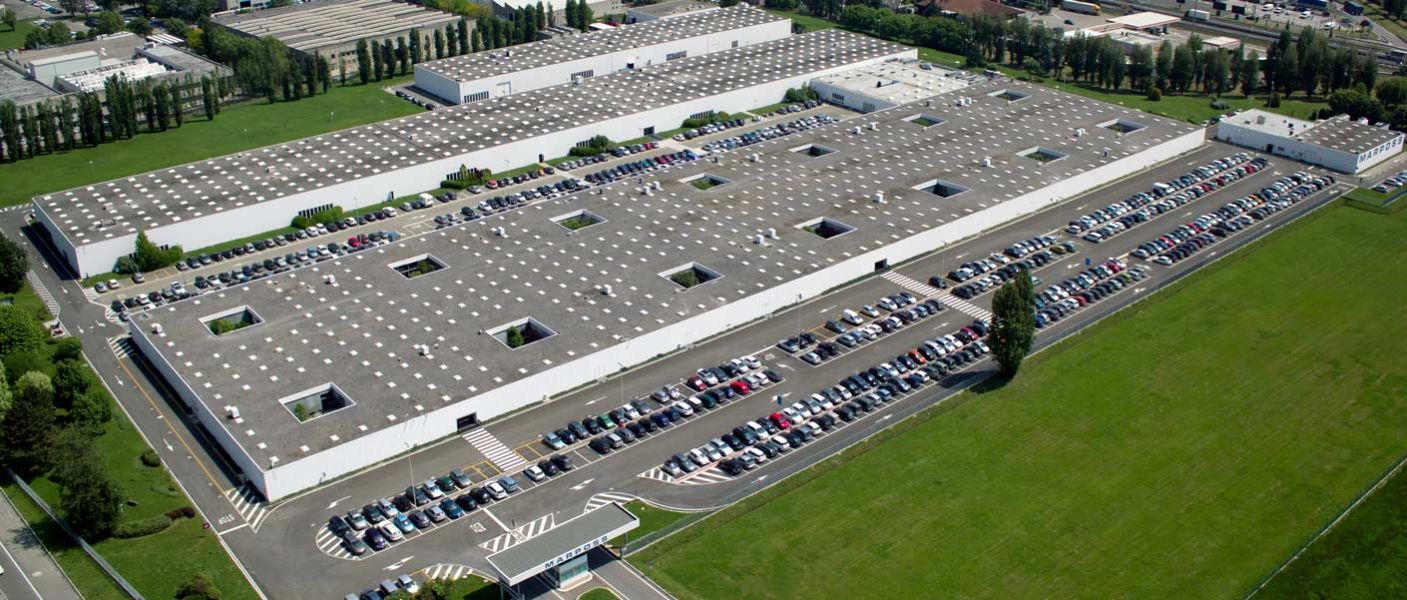
本社
マーポスの本社機能は、イタリアのボローニャから北へ約10kmのベンティヴォーリオにあります。
本社は、3棟の工場が並んで建てられているほか、技術センターや社員食堂で構成されています。
総建築面積は3万8000平方メートルあり、3万平方メートルの庭と駐車場に囲まれています。
研究開発、設計、製造、マーケティング、教育/訓練機関の中核を担っています。
製造部門は、2つの主要コンポーネンツから構成されています。
- スタンダード製品を製造する製品製造センター
- お客様の施設に統合され、カスタマイズされたシステムを製造するアプリケーション製造センター
マーポスは、製品品質を保証するため最先端の機器を使用しています。
例えば、プリント回路の組み立ては、高度な操作の柔軟性と共に、最適なレベルの品質を保証するオプトエレクトロニクスシステムと統合され、完全に自動化されたSMDライン上で行われます。検査は高度な技術と機械で行われます。モバイル検査プローブを使用したフルサーキット検査は、バウンダリスキャンタイプの検査を実行します。バウンダリスキャンタイプの検査は、複雑な集積回路を持つプリント回路基板に対して高信頼性検査を実行できます。
両製造センターは、研究開発部門及び3つのコマーシャル部門と密接に連携を行っています。
- 工作機械部門は、工作機械の計測及び制御のフィールドで活動をしています。
- スタンダードコンポーネント部門は、ゲージメーカー向けの標準ゲージ及びコンポーネントの分野で活動をしています。
- スペシャルアプリケーション部門は、特定のお客様の要求に合わせてカスタマイズされたゲージステーション(手動ベンチ及び自動マシン)の分野を担当しています。

研究開発 (R&D)
研究開発は、絶え間ない技術革新の源泉であり、そうした技術革新が今日の世界の製造業を特徴付けています。
このような環境下で、マーポスは売り上げの約8%を研究開発に投資し、数多くの国際的研究開発プログラムに参加しています。
これらの取り組みは、長年にわたる現場での経験によって、さらに強化されアウトプットに繋がっており、マーポスが効率的に将来有望な最新技術を見極め追求していく上で、大いに役立っています。
マーポスの研究開発センターでは、お客様サイドのアプリケーションとマーポス独自のオペレーションの両方から得られる知識が統合され、それが継続的な基礎研究に応用されています。
マーポスが提供しているすべての計測ソリューション(機械式、エア電子式、接触電子式、光学式)は、研究開発センターから生み出されたものです。同様に、将来、これらに置き換わることが予想される新しい先進技術もまた、研究開発センターに源を発することになるでしょう。
マーポスが、計測システム技術の世界的リーダーでありつづけるためには、このような継続的改善が必要不可欠であると考えています。

教育及びトレーニング
トレーニングは、企業理念を形成する要素として非常に重要な役割を果たしています。
社内社外を問わず、技術者は製品知識とアプリケーション技能全般に関する綿密なトレーニングを受けます。管理職は、テクノロジーに関する問題、事業運営上の課題、そして対人関係や管理者としてのふるまいの両方について訓練を受けています。
マーポスのトレーニングは、エンジニアリングと製造における課題について、広くダイナミックな見方と、効果的な新しいテクノロジーを採用する意欲を生み出すことを目指しています。学術界との継続的な協力は、科学研究の世界との恒久的な交流と新たな人的資源の会社への統合を提供します。
すべてのマーポスのトレーニングと情報活動は文書化され、保管されています。
社内のレコーディングスタジオでは、テクノロジー、製品、プロセスに関する情報を広く伝達するためのマルチメディアツールが制作されています。

アフターサービス
マーポス製品は、ハイテク製品であり、長年にわたり優れた機器の可用性を必要とする生産ラインで使用されています。
このことを達成するため、マーポス純正スペアパーツのみを使用し、機器のライフタイムすべてにわたりマーポスのテクニカルサポートの利用をお勧めします。
マーポスの世界規模のサービスネットワークは、必要と考えられるメンテナンス及びサポートリソースをお客様に提供します。
マーポスには、言語のみならずビジネスアプローチの面でも、お客様の利便性を考慮し、世界中にあるサービスセンターで約300名の認定サービスエンジニアが任務にあたっています。
さらに、マーポスのエンジニアは、保守担当者様に向け、お客様の状況に合った保守作業を実行するために必要なトレーニングとリソースを提供します。
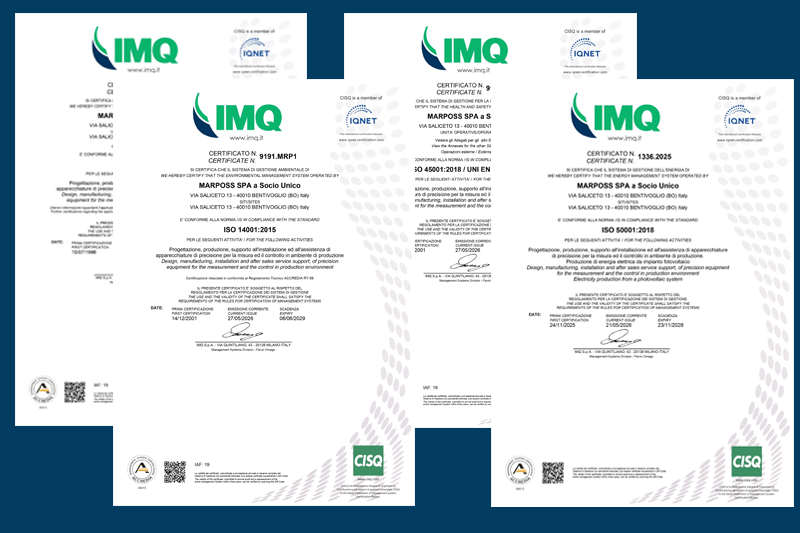
認証
ベンティヴォーリオにあるマーポス本社は、下記の規格に適合した統合された品質、環境、労働安全衛生システムの認証取得を行っています。
これらの認証は、製品及びサービス品質、信頼性を保証するマーポスの組織全体の能力を証明するだけでなく、すべてのマーポス製品が最も厳しい労働安全及び環境保護基準に準拠し、設計と製造が行われていることの証です。
計測研究所は、イタリアの認定機関であるACCREDIA DTにより、UNI CEI EN ISO/IEC 17025規格に準拠した校正研究所として認定されています。認定番号:00105 校正
マーポス製の機器をゼロ設定とするために使用する参照サンプル(マスター)の測定及び認証機器は、Metrologic Lab.で校正されています。
お客様と認定機関の双方がさまざまな試験を通じ、マーポスのMetrologic Labの高い専門知識レベルを確認しました。
サービス品質は上記すべてに左右されるため、マーポスは技術革新と機器、人員、環境、測定手順の継続的な改善に真摯に取り組んでいます。
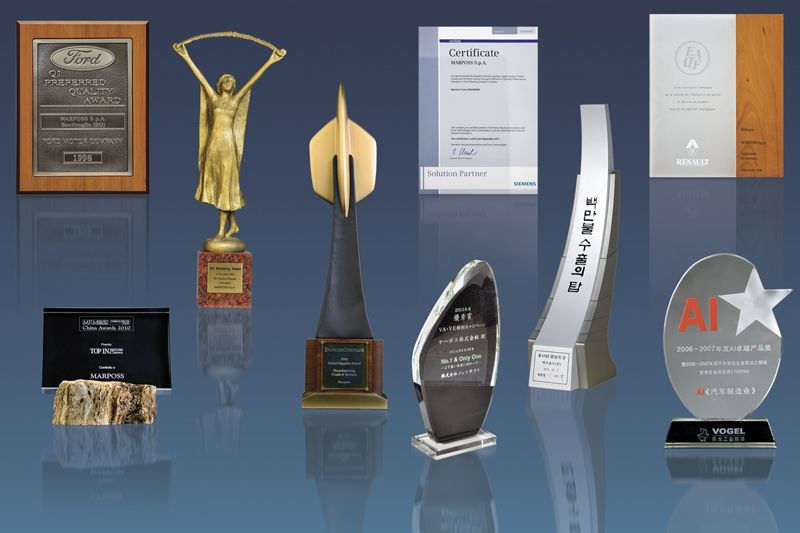
受賞歴
マーポスは、フランスの自動車業界によるEAQF-94認証、Ford Q1品質認証、News Digest Marketing Award、Global Supplier Awardなど、お客様や市場関係者から高い評価を受けてきました。
1992 - Chrysler QE Quality Excellence Award
1995 - ERA prize for environmental "enterprises" conferred by Emilia Romagna Region
1996 - EAQF94 certification of the French automotive industry
since 1998 - Ford Q1 Preferred Quality Award
2002 - Toyoda Machine Works (part of JTEKT Corporation) prize for activity to reduce production cost
2003 - Taiyo Koki (Mori Seiki Group) excellence award for quality, delivery and price
2004 - News Digest Marketing Award conferred by News Digest Publishing for contribution to global customers in the manufacturing industry
2005 - Daimler Chrysler Global Supplier Award for Manufacturing Goods and Services
2007 - Vogel AI prize of the yearly outstanding product
since 2007 - Siemens Solution Partner certificate
2008 - Ford acknowledgement for support to launch a new plant in India
2009 - MF - Japan Award conferred to Italian best performers in Japan
2010 - MF - China Award conferred to Italian top investors in China
2011 - Panda d'Oro 150th Italian Anniversary Life Recognition Award in China
2011 - SME STAR Award conferred by EUCC in Korea
2011 - SMBA Award in Korea
2012 - EXPORT TOWER Award conferred by KITA in Korea
2013 - Award for Excellence For a Better Future conferred by JTEKT Corporation in Japan
2014 - Italian Mechatronics Award conferred by Unindustria Reggio Emilia
2014 - Ringier Technology Award conferred by International Metalworking News for China
2015 - GAC FCA Excellent Supplier Award conferred by FCA in China
2015 - Binjang Award for Advanced Safety Management in Production conferred by Riverside Economic Development Zone in China
2016 - Technical Maturity Model Excellence Award conferred by Ford Motor Company in UK
2017 - Top Supplier Award conferred by Ford in Brazil
2017 - The Daily Industrial News Award conferred by The Nikkan Kogyo Shimbun Ltd. Japanese magazine
2018 - The Best Metal Cutting Brands 2018 Award conferred by The Economic Times in India
2020 - Henry Ford Technology Award
2022 - IFWMC - China's international high-quality supplier of flat wire motor
2023 National Quality Award – Marposs For Electromobility
2024 Automotive Sustaining Power Award
2025 - 「Profilo」が Global Industrie 2025 賞を受賞

会社案内 - ダウンロード
Video: Marposs Company Profile, part 1
History and Worldwide Organization
(duration: 10:30 min)
Video: Marposs Company Profile, part 2
Headquarters in Bentivoglio, Italy
(duration: 10:30 min)